Mage M20 “How Do You Do That?” PDF: Mechanics Guide
Learn how M20’s “How Do You Do That?” PDF breaks down Mage’s magic. Understand the 9 Spheres, levels, and how to avoid common confusion.
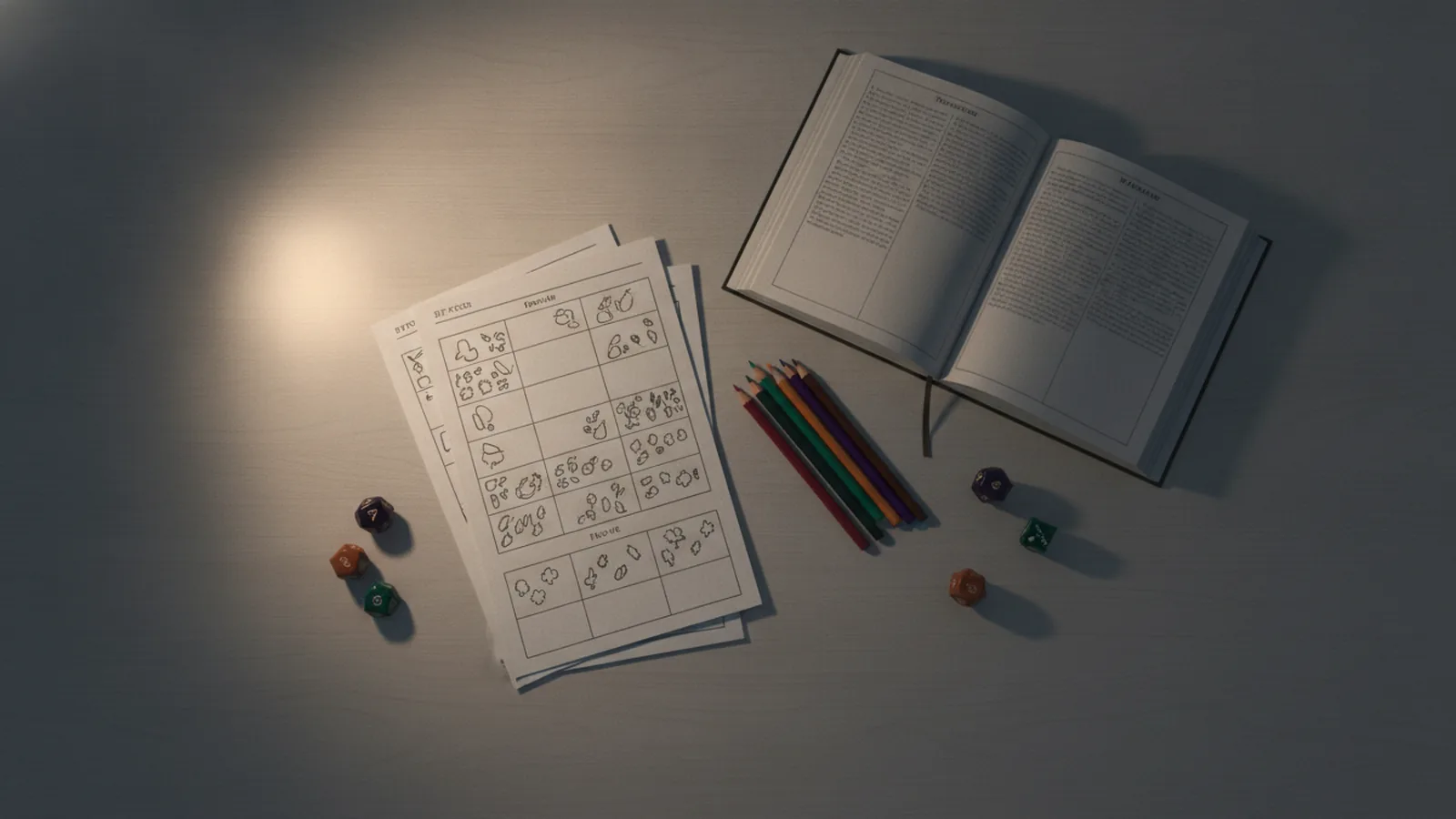
Overview of M20 and its magic mechanics
M20 refers to the 20th Anniversary Edition of Mage: The Ascension. It keeps the core magic rules intact. It also refreshes examples and tone for new readers.
Players often look for m20 how do you do that pdf download because they want a clear path from rule text to table play. The goal is not to memorize trivia. The goal is to decide actions confidently in session.
The resource called “How Do You Do That?” is widely used as a mage how do you do that pdf reference. It aims to translate rules questions into usable answers. That translation helps reduce second guessing during spell casting.
- Character creation: how Sphere picks shape options
- Spell casting: how intent connects to mechanics
- Gameplay flow: how rules calls drive pacing

Understanding Magic in Mage: The Ascension
The magic system in Mage is built around 9 Spheres of magic. Each Sphere represents a piece of reality a mage can shape. Spheres are not just flavor. They set targets and limits.
Each Sphere also has levels. Levels act like dials for reach and impact. They affect cost and how strongly effects land in play. New players often skim levels. Then the spell outcomes feel random.
If you are using a m20 magic system guide pdf, treat it like a translation tool. Read one rule point. Then connect it to the spell you plan to cast next.
That workflow works because the system asks you to make choices, not guess meanings. The PDF usually helps by clarifying what a written statement means at resolution time. It helps you move from “what does this require?” to “what do I roll?”
| PDF topic | What it changes in play | What you notice at the table |
|---|---|---|
| Sphere choice | Which reality slice you can affect | Fewer “can I do this?” pauses |
| Sphere levels | How far and how strongly effects land | More consistent spell outcomes |
| Rules interpretation | How written statements become rulings | Less confusion during resolution |
Common misconceptions that cause Mage spell frustration
Many players describe the magic system as vague or overly complex. That feeling often comes from how people model the rules in their head. It rarely means the system is unusable.
A common mistake is treating Spheres like a simple permission list. If you do that, you miss the logic that sets boundaries. You also skip the step of matching intent to measurable effects. The result is a spell that sounds right. It resolves wrong.
Another issue is assuming higher Sphere levels remove all risk. More power can add options. It can also create practical problems in tense scenes. Some effects become harder to sustain under pressure.
Players also mix narrative intent with mechanical requirements. Cinematic descriptions can be great. Still, you must translate story ideas into correct game mechanics first. If you do not, you end up negotiating mid-roll. That slows the table.
Quick check using your character sheet
Pick one spell you planned during character creation. Then compare what you wrote down to what happens after you cast. If it feels off, it is often one of three issues.
- Wrong level: you picked the vibe, not the effect requirement
- Wrong scope: the impact you described does not match mechanics
- Loose interpretation: you assume coverage beyond the rule text

How to use the M20 “How Do You Do That?” PDF
If you are asking how to use mage mechanics pdf resources, work actively. Start with one rule question you struggled with. Use the PDF to find the clarification. Then test it immediately in a spell example.
Here is a workflow that works for new and returning players. First, write a one page “spell sketch” for your next test. Include the target, your desired result, and the Spheres you think apply.
Next, add your chosen levels. Then note one rule line you plan to follow. Keep the sketch short. If it is too long, you will skip it at the table.
After that, convert the sketch into an actual casting attempt. During play, focus on the single decision the PDF clarified. If the outcome surprises you, update the sketch with the correct interpretation.
This approach also helps character building. You map Sphere picks to real outcomes instead of theory. That reduces the chance that your character feels effective on paper. It also reduces the chance it feels weak during play.
- Choose a real casting goal: pick a spell you want to use soon.
- Find one rule clarification: search the PDF for the decision point you missed.
- Write a spell sketch: set target, intent, Spheres, and levels.
- Test immediately: cast it using the clarified interpretation.
- Revise with notes: log what changed and why.
Practical examples of magic system navigation
Even a good PDF cannot replace at-table practice. You still need a way to turn “what the rule says” into “what I do next.” A few example patterns can speed that up.
First, practice matching intent to scope. When you say what you want, ask what the rules can measure. If the outcome you want is bigger, you likely need higher levels or a different Sphere pick. The PDF can help you see that link.
Second, practice interpreting limits. Some effects hit boundaries because the narrative description overshoots the mechanics. If your spell feels blocked, revisit the written scope in the PDF explanation. Then adjust the level, not the story.
Third, practice keeping the table moving. If you get stuck, pause and resolve one decision. Use the PDF to answer that decision. Then continue, instead of re-reading everything.
| Situation | What to look up in “How Do You Do That?” | Quick fix |
|---|---|---|
| Spell does not do what you expected | Sphere level meaning and effect reach | Change levels to match scope |
| You are unsure how to apply a rule line | Rules interpretation examples | Use the listed resolution steps |
| Your spell feels too broad | Limit notes and boundary guidance | Narrow target or intent |

FAQs about M20 mechanics
What is “How Do You Do That?” in M20?
It is a rules clarification resource focused on how Mage’s magic works in practice. It helps you interpret rule statements during spell casting. It is commonly used as a mage 20th anniversary pdf download reference workflow.
Does the magic system use Spheres and levels?
Yes. Mage uses 9 Spheres of magic. Each Sphere has multiple levels that affect reach, impact, and outcomes.
Why do spells feel confusing even with a guide?
Most confusion comes from mismatching intent to measurable mechanics. Many players also apply narrative descriptions without checking scope. A clarification PDF helps, but you must test changes quickly.
How do I use the PDF without turning it into homework?
Pick one rule issue per session. Write a short spell sketch. Then use the PDF answer to cast and observe results.
What are the best “entry” topics for new players?
Start with Sphere choice and level meaning. Then move to rules interpretation examples. Finally, build a repeatable workflow for testing and revising.
Is M20 the only edition worth learning?
M20 is popular because it remains a clear reference point. Many tables use it as a shared rules base. If you play Mage, aligning on the same magic reference reduces friction.
Conclusion and resources
M20 keeps the core magic structure clear enough to learn through repetition. The magic system is built on 9 Spheres and levels for each Sphere. “How Do You Do That?” helps because it clarifies how rules statements apply during actual casts.
If you feel frustrated, use a targeted approach. Find one clarification. Write a short spell sketch. Cast, observe, and revise. That cycle improves your outcomes and your confidence.
For ongoing learning, keep your notes close to your character sheet. Update levels and scope choices as you confirm what the rules mean. Over time, the system stops feeling like a puzzle. It becomes a set of reliable decision tools.
Step-by-step
- 01 Pick one real casting goal
Choose a spell you want to use soon. Write down what result you want in plain language.
- 02 Find the exact rule clarification
Open “How Do You Do That?” and locate the decision point you missed. Focus on the one rule line that changes your action.
- 03 Create a short spell sketch
List the target, intent, and Spheres you think apply. Add the Sphere levels you plan to use.
- 04 Cast using the clarified interpretation
Run the casting attempt in session. Make one test decision, not a full rules rewrite.
- 05 Revise based on the outcome
If results differ, update levels or scope. Record what the PDF clarification changed for next time.
Frequently asked questions
- What does “How Do You Do That?” do for M20 magic rules?
- It clarifies how rule statements apply during spell resolution. It helps you translate rules text into decisions at the table.
- How many Spheres of magic are in Mage M20?
- Mage’s magic system uses 9 Spheres of magic. Each Sphere has levels that shape reach and impact.
- Why do my Mage spells resolve differently than I expect?
- Common causes are wrong levels, wrong scope, or loose interpretation of the written rules. A PDF clarification plus quick testing usually fixes it.
- How should I use an M20 magic system guide PDF during play?
- Pick one rule question per session. Use the PDF answer to cast a spell from a short sketch. Then update your notes based on results.
- Do higher Sphere levels always make spells easier?
- Not always. Higher levels add options, but they can also introduce practical complications. Limits and opposition still matter.
- What should new players focus on first in the magic system?
- Start with Sphere choice and Sphere level meaning. Then learn how rules text becomes concrete resolution steps.
Related reading

What Makes a PDF Print Ready? A Clear Guide for Better Printing
Learn the checks that turn any PDF into a print-ready file.

How to Batch Print PDF Files Quickly and Easily
Print many PDFs at once with simple tools, smart settings, and fewer errors.

How to Change the DPI of a PDF Without Losing Clarity
Change PDF DPI for sharper prints, smaller files, or clearer screen viewing.