How to Create a Fillable PDF in Canva
Design in Canva, add fields with a PDF tool, and test your finished form.
Can Canva Create a Fillable PDF?
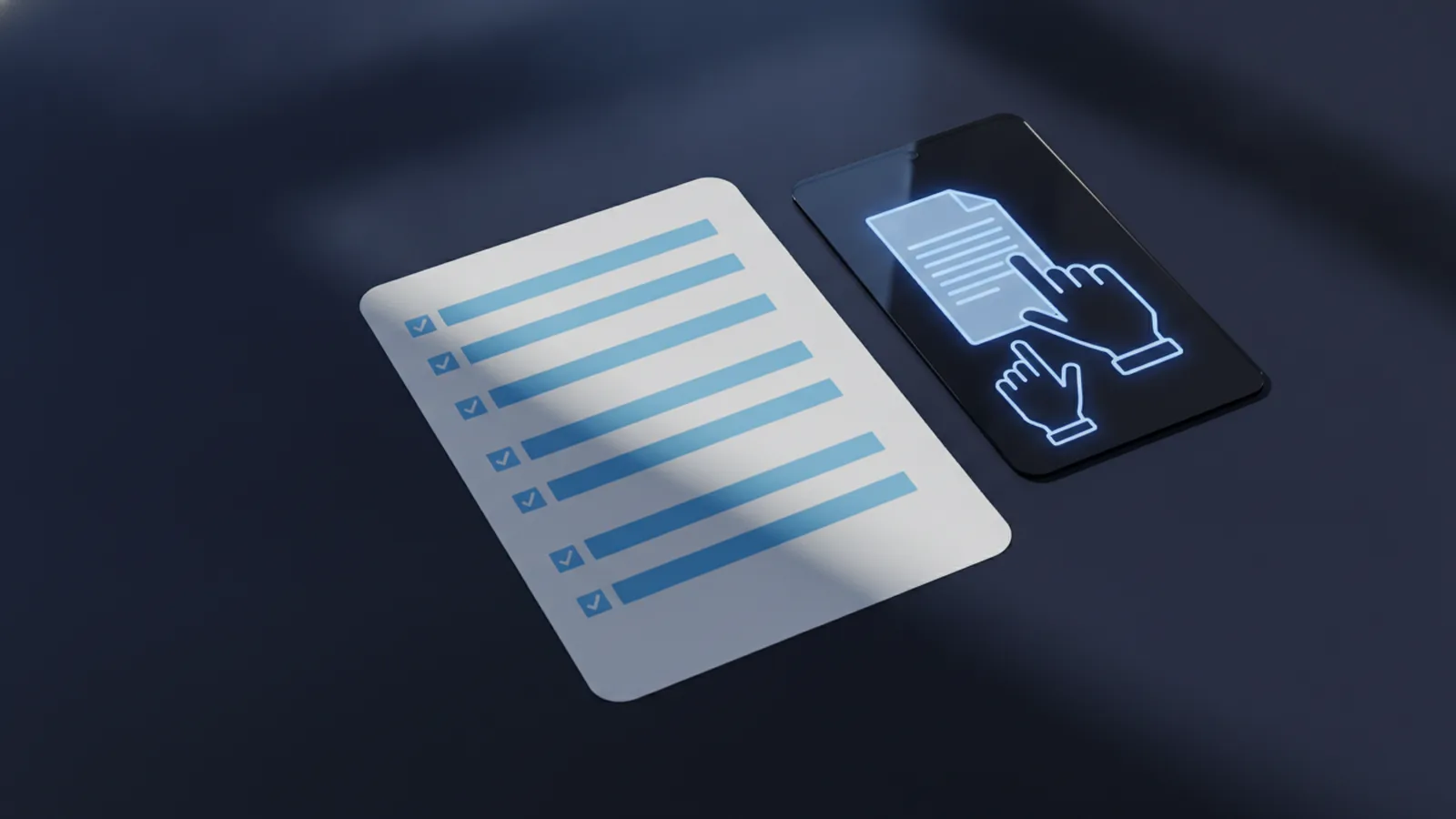
Can you create a fillable PDF in Canva? Not directly. Canva can create the visual design, but it does not add working form fields to exported PDFs.
You can still use Canva for the first part of the job. Design your form, download it as a PDF, then open that file in a PDF form tool. Tools such as PDFescape and DocFly can add text boxes, checkboxes, and dropdowns.
This two-step process works well for sign-up sheets, job forms, surveys, and client briefs. Canva handles the look. A PDF editor adds the input fields.
- Design the page in Canva.
- Export it as PDF Standard.
- Upload the PDF to a form editing tool.
- Add and test each field.
The result is a PDF that people can fill out without printing it first.
Design the PDF in Canva First
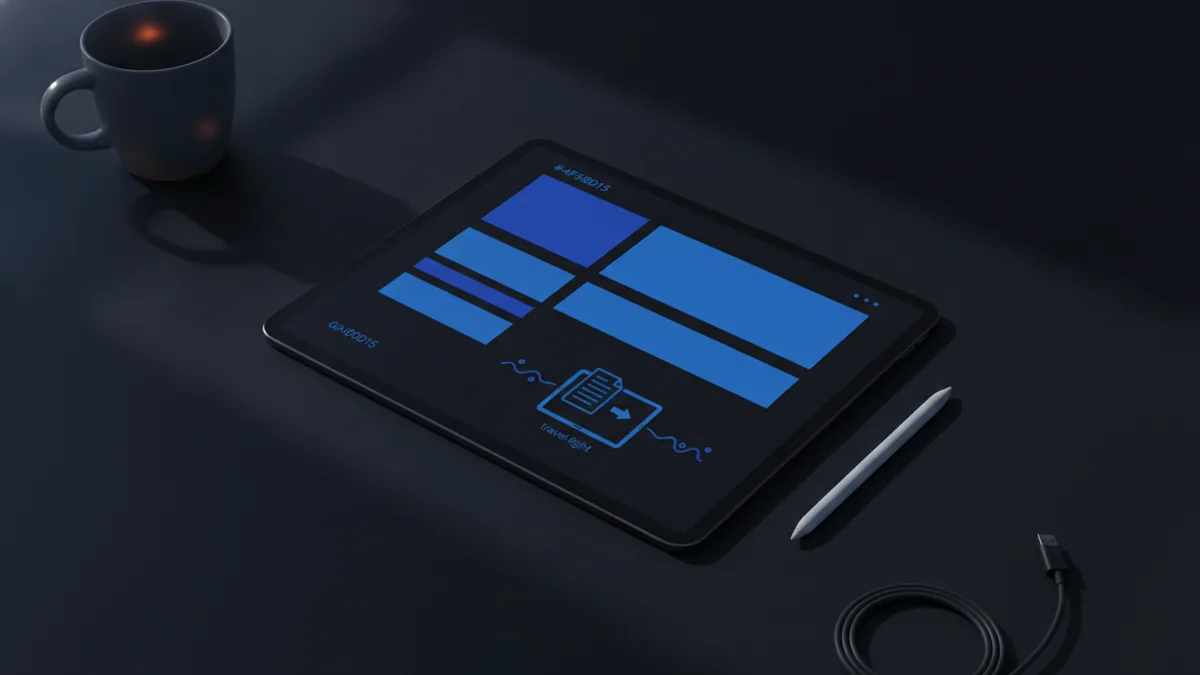
Start with the page size your readers need. A4 suits many regions, while US Letter suits many American forms. Keep key content inside safe margins of at least 0.5 inches.
Create clear areas for each answer. For example, a name field may need one line. A project summary may need a larger box with room for several sentences. Plan the form fields before you place decorative elements.
Use strong contrast between labels and the page background. Choose a simple font for instructions and labels. Keep related questions close together so users can scan the form with ease.
When the design is ready, select Share, then choose Download. Select PDF Standard to help preserve the page layout. PDF Print may create a larger file than needed for online forms.
- Choose a page size.
- Build the layout and add labels.
- Leave open space for answers.
- Review the design at normal viewing size.
- Download the file as PDF Standard.

Turn the Canva File Into a Fillable PDF
After export, open a PDF form tool such as PDFescape or DocFly. Upload the PDF you saved from Canva. The tool will show your page as a base layer.
Next, place fields over the blank areas. A text box suits names, dates, and short answers. A larger text area suits notes or detailed feedback.
Use checkboxes when users can pick more than one answer. Use radio buttons when they must pick one answer. A dropdown works well when a long list would crowd the page.
Set a clear field name for each input. Names such as full_name and start_date make later edits easier. Mark key fields as required when the tool offers that setting.
| Field type | Best use |
|---|---|
| Text box | Names, short answers, and dates |
| Checkbox | Several choices may be selected |
| Radio button | Only one choice may be selected |
| Dropdown | A long list of set choices |
Save the finished file as a new PDF. Keep the original Canva file and the first export. These copies help if you need to fix the layout later.

Tools That Can Add PDF Form Fields
PDFescape and DocFly are common choices for this task. Both let you upload a PDF and place fields over its existing design. Their exact plans and limits may change, so check the current terms before starting a large form.
Pick a tool based on the fields you need and the file size. A short one-page form may need only text boxes and checkboxes. A long application may need dropdowns, required fields, and field checks.
Look for a save or export option that keeps the file fillable. Some tools also let you set tab order. This controls where the cursor moves when users press the Tab key.
- PDFescape: useful for adding common fields to an uploaded PDF.
- DocFly: useful for editing and adding fields in a web browser.
- Desktop PDF editors: useful for teams that need advanced form rules.
Do not confuse a flat PDF with a fillable one. A flat file may look like a form, but it has no active fields. Test the saved file in a separate PDF reader before sending it.
Design Tips for Better Fillable Forms
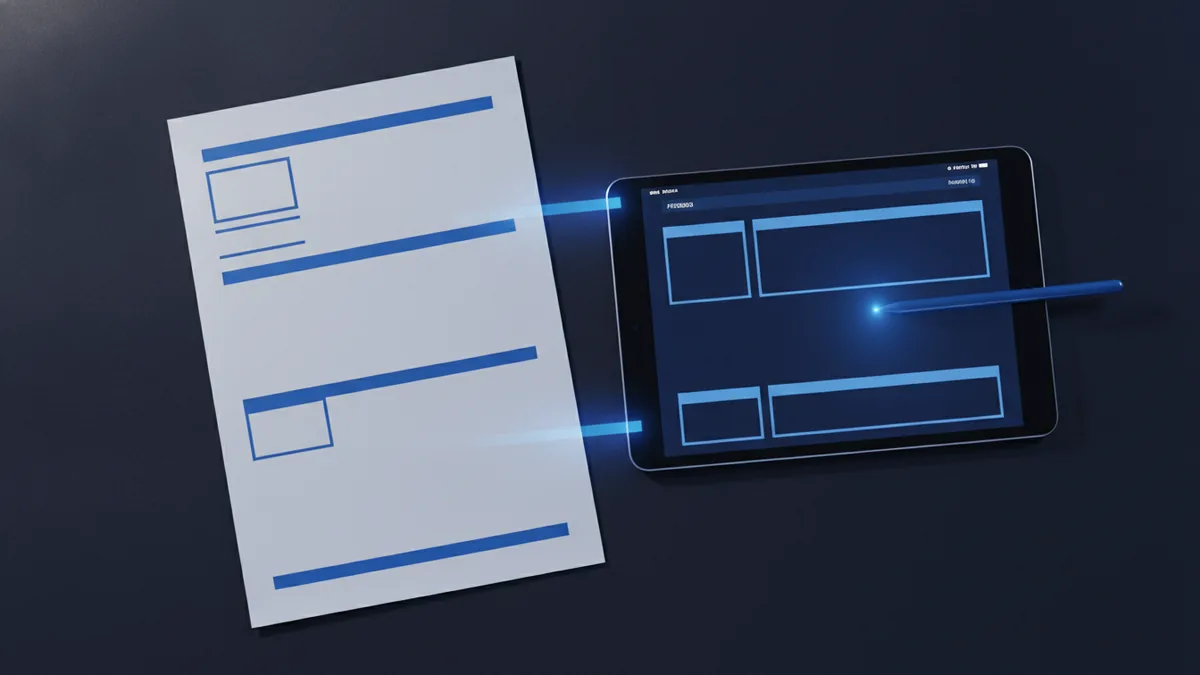
Good form design balances looks and function. A stylish page can still fail if its fields are too small or hard to find. Leave enough room for real answers, not just short sample entries.
Keep field borders easy to see without making them harsh. Align fields along a simple grid. Use the same height for fields that collect similar data.
Test the form on a laptop and a phone. Check whether labels stay near their fields. Try long names, full dates, and multi-line answers.
Use this final review before sharing:
- Confirm every needed field accepts input.
- Check that checkboxes and dropdowns work.
- Test the Tab key order.
- Try saving, closing, and reopening the PDF.
- Check the file on more than one PDF reader.
- Remove any unused or hidden fields.
Protect private data when the form collects sensitive details. Share the file through a trusted channel. Tell users how to return the completed form.
So, can you make a fillable PDF in Canva? Yes, but Canva handles only the design stage. Export from Canva, add fields in a separate tool, and test the final PDF before use.
Quick Workflow Summary
The simplest workflow has three parts. First, create a clean page in Canva. Second, export it as PDF Standard and upload it to a PDF editing tool.
Third, add fields that match each question. Review the finished file as a user would. This catches small problems before they affect real submissions.
Keep both the design file and the fillable PDF. The Canva file lets you change colors, labels, and page layout. The form tool lets you update fields after each new export.
Related reading

Create a Fillable PDF Form: A Practical Step-by-Step Guide
Build, test, and share a fillable PDF form with clear steps.
Edit PDFs from Email: Steps and Safety
Edit email PDFs with the right tool, safe steps, and clean formatting.

How to Download and Edit a PDF on Windows and Mac
Download, edit, and save PDF files with clear steps for Windows and Mac.