How to Write a Business Proposal PDF That Wins
Learn how to write a business proposal PDF with the right structure, clear content, pricing terms, and professional PDF formatting tips.

Introduction to business proposals
A strong business proposal PDF gets people to say “yes” for the right reasons. It explains what you will do, why it matters, and what it will cost. It also reduces risk for the reader by being specific about scope, timing, and terms.
When you learn how to write a business proposal pdf, the goal is not just to document ideas. The goal is stakeholder engagement. You guide decision-makers from interest to approval with a clear proposal structure.
Think of your PDF as a sales and project plan in one. It should feel readable on a phone, credible on a review call, and consistent across pages. Your writing, layout, and formatting must all support that job.

Key components of a business proposal
Most winning proposals include a few predictable sections. That predictability helps busy readers find answers fast. Use the sections below as your baseline, then adjust based on the investor or customer you target.
Essential elements to include
- Title page: Proposal title, your company name, contact info, date, and client name.
- Executive summary: A short overview of the opportunity and your recommended approach.
- Objectives: Business objectives the client wants to achieve, stated in measurable terms.
- Services or product descriptions: What you will deliver, with clear scope boundaries.
- Investment opportunities (when applicable): For investors, explain how your plan creates value.
- Terms and conditions: Legal and operational terms, plus assumptions and responsibilities.
- Pricing and payment details: Rates, fees, payment schedule, and any deposits.
- Signature section: Names, roles, and sign-off lines for approval.
Within the executive summary, include the “so what.” For example, connect objectives to outcomes like faster delivery, lower costs, or reduced risk. Also mention why your team is a good fit without over-selling. Readers want clarity more than hype.
Steps to write a business proposal
Before writing, gather the details that prevent back-and-forth. You need the client’s goals, decision process, timeline, and any constraints. You also need your own delivery plan so your services descriptions match reality.
Then draft in the order that helps your reader. Start with the summary so your whole proposal stays focused. Use the steps below as a practical flow for how to make a business proposal pdf that feels coherent.
- Define the purpose and outcome: Write one sentence for what the reader should approve.
- Map business objectives: Turn each objective into a target and a success measure.
- Draft the executive summary: Summarize the problem, your approach, and why it wins.
- Write service or product descriptions: Break scope into phases or deliverables.
- Explain pricing and payment: Tie costs to deliverables and show a simple schedule.
- Add terms and conditions: Include assumptions, timelines, and key responsibilities.
- Finalize with a signature section: Make it clear who signs and what happens next.
To keep content clear and engaging, write short sections with strong headings. Each section should answer a question the reader has. For example, “What exactly do you deliver?” should have a direct scope paragraph and bullet list.
Also include investment tiers when the opportunity supports it. A tiered option helps readers choose without building a spreadsheet themselves. Keep tiers distinct by outcomes and scope, not by vague wording.

Formatting your proposal as a PDF
Professional presentation is part of how people trust the message. A clean PDF helps the proposal formatting look consistent and prevents layout shifts during review. That matters when someone opens your file on a different device.
When you format for PDF, aim for readability first. Use a standard page size, a consistent font, and clear spacing between sections. Avoid tiny text and dense walls of paragraphs, especially in the executive summary.
Use this quick checklist for proposal formatting decisions. It supports how to write a business proposal pdf that looks polished without being heavy.
| Area | What to do | Why it helps |
|---|---|---|
| Page layout | Use margins of about 1 inch and consistent section spacing | Improves scanning and reduces clutter |
| Headings | Use a clear hierarchy: title, section headings, and subpoints | Readers find answers quickly |
| Tables and lists | Use tables for pricing and bullet lists for deliverables | Information stays digestible |
| Page numbering | Add page numbers to help navigation | Speeds up stakeholder review |
| Links and attachments | Only include relevant links or references | Prevents confusion during review |
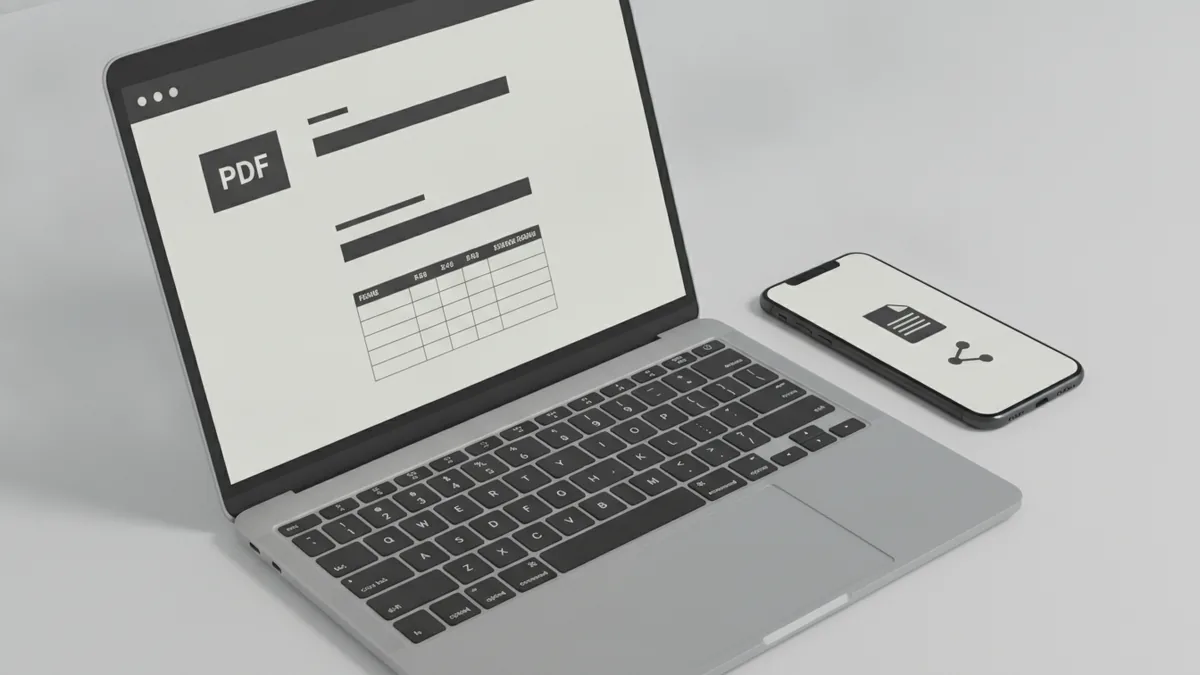
For saving, use your authoring tool’s “Save as PDF” function. Then open the file on a second device or PDF reader. Check headings, spacing, and any tables so nothing shifts.
If your proposal includes images or diagrams, keep them crisp and not oversized. Blurry visuals make the document feel unfinished. In a business proposal, visuals should support understanding, not decorate it.
Tips for customization
Customization is what turns a template into an investment opportunity. The same services can land differently depending on what the reader values. If you send a one-size-fits-all PDF, you force readers to translate your offer into their context.
Start with a short “fit” paragraph in the executive summary. Mention the specific problem you address and the objective you support. Then adjust the service descriptions to match the client’s priorities.
Here are practical ways to customize without rewriting everything from scratch. This approach also supports how to write a business proposal template pdf that still feels personal.
- Change the objectives section: Use the client’s language for outcomes.
- Adjust deliverable scope: Add or remove phases based on their timeline.
- Update pricing framing: Show costs tied to the deliverables they care about.
- Tailor tone and detail level: Investors may want numbers, while operators want steps.
- Pick the right investment tiers: Offer options that map to different risk levels.
Templates help you move fast, but you still need the right data. A template should control layout and wording structure. Your inputs should control the facts: objectives, scope, and pricing.
Include stakeholder engagement cues. For instance, state who approves each phase and what feedback cycles look like. That reduces delays and makes the timeline feel realistic.
Common mistakes to avoid
Many proposals fail for simple reasons. They are hard to scan, they do not connect services to objectives, or they hide key commercial terms. Avoid these common pitfalls so your business proposal PDF earns trust.
Top mistakes and how to fix them
- Vague promises: Replace “we will improve performance” with specific deliverables and metrics.
- No clear scope boundaries: Add assumptions and what is out of scope to prevent misunderstandings.
- Executive summary that is too long: Keep it short and outcome-focused so readers read on.
- Pricing that is hard to interpret: Use tables and tie costs to deliverables and dates.
- Missing terms: Include key terms and responsibilities so people know what they are signing.
- Inconsistent formatting: Standardize fonts, spacing, and headings before saving the PDF.
Another frequent issue is failing to match the reader’s decision process. If your client evaluates proposals by risk, add a section that addresses risk and mitigation. If they buy based on timeline, make the schedule obvious.
Finally, proofread with the PDF in mind. Spellcheck in your editor may not catch everything. Also scan for broken spacing in tables, especially if you converted from a different file type.
Conclusion and next steps
Knowing how to write a business proposal pdf comes down to clear intent, solid proposal structure, and professional presentation. Start with the executive summary and objectives, then support them with concrete services descriptions. Make pricing and payment details easy to understand, and finish with terms and a signature section.
Next, build a repeatable workflow. Use a business template for layout, then customize objectives, scope, and pricing for each reader. After you “make a business proposal pdf,” open it on another device to verify layout and readability.
If you want a faster start, draft a first version from a template and fill the content gaps in one pass. Then do a second pass focused only on clarity. That two-pass method usually improves acceptance rates because it removes ambiguity before submission.
When you are ready, treat each proposal as a learning loop. Note what stakeholders asked about and update your template. Over time, your proposals become more precise and easier to approve.
FAQ
- How do I write a business proposal PDF that investors will actually read?
- Lead with a short executive summary that states the problem, your approach, and expected outcomes. Keep sections scannable with headings, lists, and simple tables for pricing.
- What sections should a business proposal include?
- A solid proposal includes a title page, executive summary, business objectives, services or product descriptions, terms and conditions, pricing and payment details, and a signature section.
- How do I make a business proposal PDF look professional?
- Use consistent fonts, clear heading hierarchy, and readable spacing. Save using your tool’s Save as PDF option, then open the file on another device to verify layout.
- Should I use a template for my business proposal?
- Yes. A template helps you standardize proposal formatting and reduce mistakes, while you customize objectives, scope, and pricing per audience.
- What are common mistakes when writing proposals?
- Avoid vague scope, missing terms, and pricing that is hard to interpret. Also avoid long executive summaries and inconsistent formatting.
- How do I customize a business proposal for different investors?
- Adjust your executive summary to match their priorities and update objectives and deliverables to reflect their goals. Use the right investment tiers when your offer fits multiple risk levels.