How to Convert an HTML File to PDF
Turn HTML files into clean, shareable PDFs with the right method.

HTML to PDF Conversion: What It Does
If you need to share or print a web page, PDF is often the better format. It keeps one fixed layout across devices and apps. HTML can change based on screen size, browser settings, or missing fonts.
The best way to convert an HTML file to PDF depends on your goal. A browser works well for one quick file. An online converter suits a fast task without downloads. Desktop software helps with batch work, editing, and repeat jobs.
PDF files are also easier to send to clients, store in folders, and print. The key is to check the result after conversion. A PDF can look different from the source if the page uses complex styles, scripts, or media.
Practical Ways to Turn HTML Into PDF

There are four common ways to make HTML into PDF. Each method has a different balance of speed, control, privacy, and cost. Start with the simplest option that meets your needs.
- Browser print: Open the file in a browser, then choose the PDF printer.
- Online converter: Upload the file and download the finished PDF.
- Browser extension: Save pages with extra control over the output.
- Desktop software: Convert many files and adjust the result in one app.
For one local file, browser print is usually the fastest answer to “how can I convert an HTML file to PDF?” It needs no special tool. For many files, a desktop app can save more time.
Some tools can remove ads, sidebars, and other unwanted parts. This matters when the original page is built for browsing rather than printing. Check the preview before you save the final file.
How to Convert an HTML File to PDF Online
Online converters can handle a quick job without an install. Most services let you upload an HTML file, choose PDF as the output, and download the result. This makes them useful on shared computers or mobile devices.
- Open a trusted HTML to PDF converter.
- Upload the HTML file and any needed local assets.
- Choose page size, direction, and margin settings.
- Start the conversion and wait for the file to finish.
- Download the PDF and review every page.
Before you upload a file, check its content. Do not send private records to a service unless its terms fit your needs. This includes tax forms, client data, passwords, and unpublished work.
Online tools work best with self-contained files. An HTML page may rely on a separate style sheet, image folder, or web font. If the service accepts only one file, those parts may not appear in the PDF.
When asking “how do I convert a HTML file to PDF online?”, look for clear file limits and output controls. A good tool should show the page count and let you test the result. Delete uploaded files when the service offers that option.
Browser Printing and Browser Extensions
Browser printing is the easiest free method for many users. Open the HTML file in Chrome, Edge, Firefox, or another modern browser. Press the print shortcut, then select Save as PDF or the matching PDF option.
Use the print preview to set paper size, margins, scale, and page direction. Turn headers and footers off if they add unwanted dates or file paths. Turn background graphics on when the page needs color blocks or shaded sections.
Print styles can control what appears on paper. They can hide navigation, ads, and toolbars while keeping the main content. The MDN guide to printing with CSS explains how print rules affect web pages.
Browser extensions may add cleaner output or extra save choices. Use extensions from known stores and review their permissions. An extension that reads every page can create a privacy risk.
Desktop Software for More Control
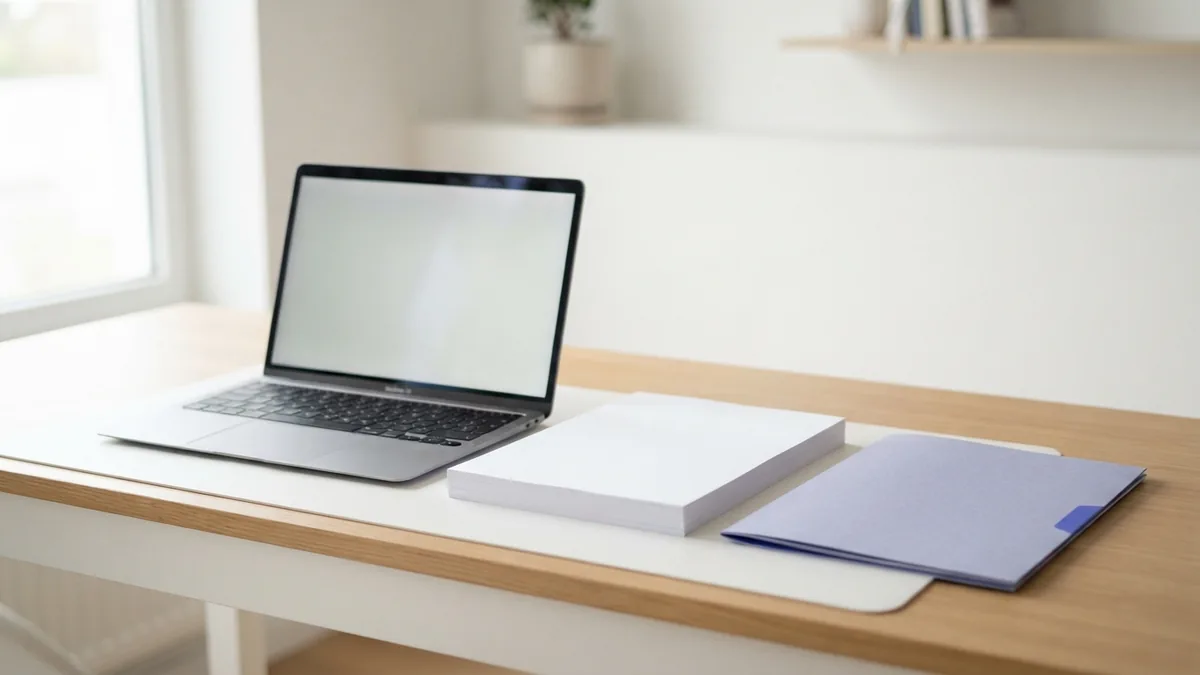
Dedicated PDF software helps when browser printing is too basic. Many apps support batch conversion, file merging, page edits, and image changes. Some can also turn a folder of HTML files into PDFs in one run.
Desktop tools often give you more control over page breaks. You may set a paper size, add page numbers, or remove blank pages. Some apps also let you edit the PDF after conversion.
A desktop app is a good fit for reports, product files, and regular office work. It can also help when the HTML depends on local assets. The app may load those assets from the same folder.
| Method | Best for | Main limit |
|---|---|---|
| Browser print | One quick file | Less control over complex pages |
| Online converter | Fast work without an install | Upload and privacy concerns |
| Browser extension | Frequent page saves | Needs careful permission checks |
| Desktop software | Batch work and editing | May cost money or need setup |
Pick software based on the work you repeat. If you convert two files each month, a browser may be enough. If you process 200 files each week, batch tools can cut manual steps.
How to Keep the Layout Clear
A good PDF should keep the HTML structure easy to follow. Headings should stay with the right sections. Images should fit the page width. Tables should not run past the page edge.
Before conversion, clean the source file. Remove unused menus and test the page with local images. Set a clear print width and use simple page breaks where needed.
- Use readable body text and strong heading levels.
- Keep tables narrow enough for the chosen paper size.
- Set images to fit within the page width.
- Hide ads, pop-ups, and side panels in print styles.
- Check links, page breaks, and blank pages after export.
Fonts can cause layout shifts when the PDF tool cannot find them. Use common fonts or embed the needed files when your tool supports that choice. Keep file paths simple and test the file on another device.
Choose letter or A4 paper before you export. A long page may split in odd places when the size changes. Try a smaller scale, wider margins, or manual page breaks.
Common Problems and Simple Fixes
Missing images are one of the most common conversion problems. The HTML may point to a web address that the tool cannot reach. It may also use a relative path that breaks after upload.
Copy the image files into the same folder as the HTML file. Then test the page from that folder. For online conversion, upload the full folder when the service supports a ZIP file.
Another issue is missing style. This happens when the page needs a separate CSS file. It can also happen when a script builds the content after the page loads.
- Blank pages: Lower the scale or remove large fixed-height blocks.
- Cut-off tables: Use landscape direction or reduce table width.
- Bad page breaks: Add print break rules around key sections.
- Missing colors: Turn on background graphics in print settings.
- Slow conversion: Remove heavy scripts and unused media.
Check the PDF on both a screen and a printer. A page can look fine on screen but waste paper due to poor breaks. Read the file from start to finish before sending it.
Best Practices for a Reliable PDF
The answer to “how to convert HTML file to PDF” is simple once you match the tool to the job. Use browser print for speed. Use an online tool for a quick file without setup. Use desktop software for batch work and deeper control.
Keep a copy of the original HTML file. Name both files clearly, such as project-report.html and project-report.pdf. This makes later edits and checks much easier.
Review the finished PDF before sharing it. Check the page count, links, images, text flow, and file size. A two-minute check can catch layout problems before they reach a client or printer.
If the first result looks poor, change one setting at a time. Test the paper size first. Then adjust margins, scale, background graphics, or page breaks.
Related reading
PDF to JPEG on Mac: Simple Steps and Tips
Turn PDF pages into JPEGs on Mac with Preview or an online tool.
JPG to PDF: Methods and Mobile Tips
Convert JPG photos to PDFs online or on your phone, with tips for layout and quality.
How to Make a JPG a PDF on Any Device
Convert JPG images to PDF online, on Mac, or on iPhone.